
Establish and implement a tele-outpatient-department (tele-OPD) clinic at Child and Adolescent Psychiatry Unit at Kanti Children Hospital and a satellite clinic in Karnali province.

2 years ago


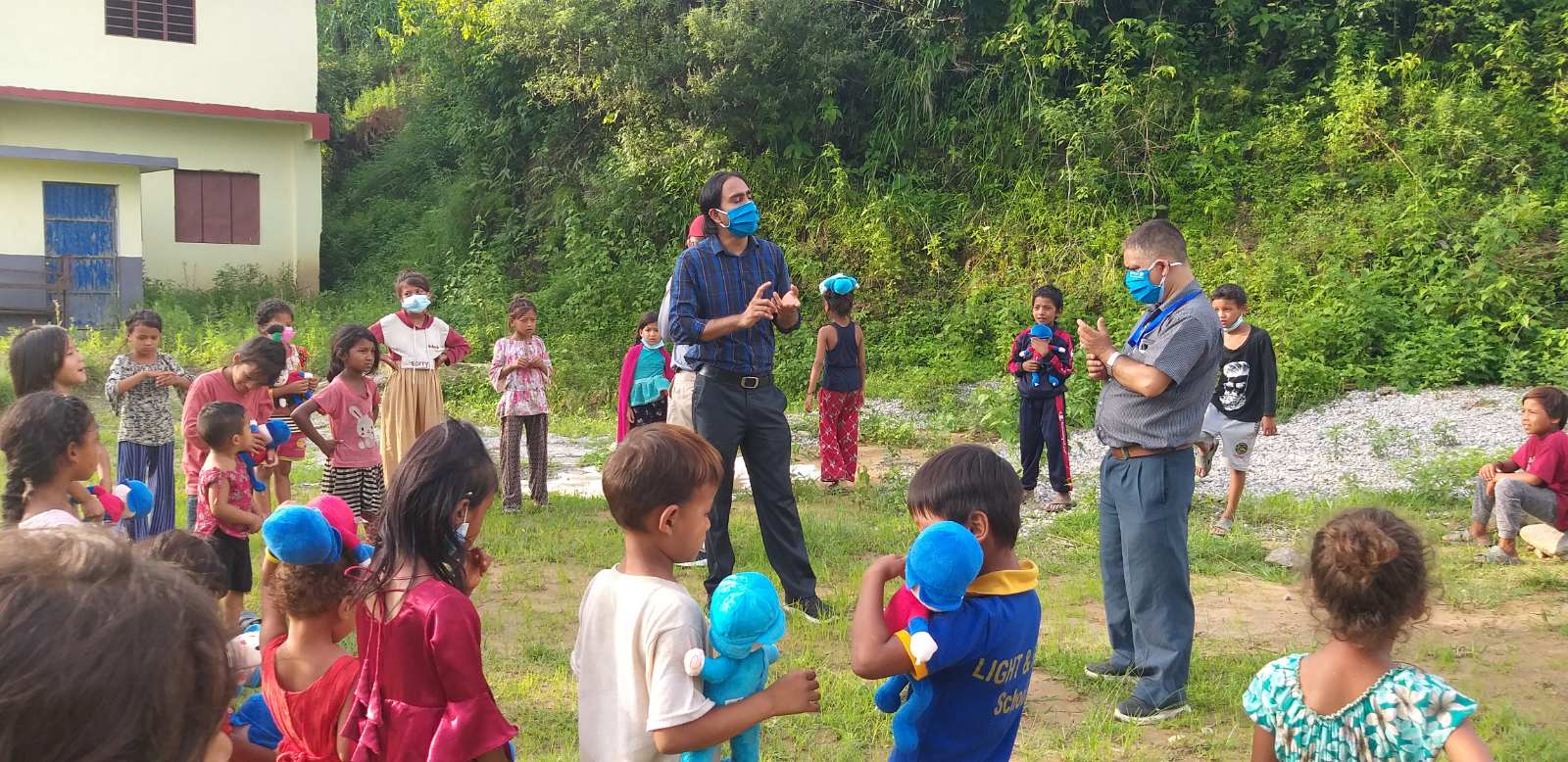
Tele-mental health services to children, adolescents and frontline health workers affected by COVID-19 – 1st June- 30th November 2021
BACKGROUND
The Tele-mental health project was envisioned after witnessing a rise in COVID-19-related stress and associated symptoms in the children and adolescents attending the Child and Adolescent Psychiatry OPD at Kanti Children’s Hospital. After the lockdown began, there was a decline in the number of children and adolescents reaching the CAP OPD due to vehicle and movement restrictions. However, there were increased reports of CAMH-related stress among students and teachers in schools, as stated in our interactions with different schools in Kathmandu. As we held sessions for these teachers and students, we realized that this was a problem throughout the country.
Similarly, with the second wave of COVID-19 infection surging rapidly the situation has led to additional travel restrictions in many parts of the world resulting in stressful times, especially for the children and adolescent population including ones living with HIV, who may have experienced greater social isolation and stress during the pandemic compared to other groups. So, to respond to these CWIN-Nepal, UNICEF and Kanti Children's Hospital have partnered to support such groups through sessions to address the CAMH issues related to the COVID-19 pandemic.
Objectives:
This was applied as a project with UNICEF to reach 20,000 children & adolescents; and 20,000 parents, teachers, caregivers, and school nurses in different parts of the country. This project commenced from 1st June 2021 to 30th November 2021.
Project Activities
1. Training of Trainers
Around 190 mental health practitioners were oriented and trained on identifying mental health issues faced during the COVID-19 pandemic and stress management techniques to deal with it. The training was provided by the Psychiatric and Clinical Psychologists of the CAP unit, at Kanti Children's Hospital. In this training, the project team tried its best to include practitioners from 7 provinces. Further, during the training, the health practitioners were trained on the techniques of identifying stress, dealing with the mental health issues faced by the target groups (children, adolescents, parents, teachers and caregivers), and role-play sessions on psychosocial counselling and breathing techniques were taught. Along with that, they were also informed about tele-mental health services and referred the case which needs professional help. Besides, the CWIN team also briefed about the project activities, reporting format and data management of the sessions.
2. A session for children, parents and caregivers in school and community online or in person by mental health workers
The session was conducted by the trained mental health practitioners who received the TOT sessions. The initial sessions conducted by the practitioners were supervised by the members of the core team at the CAP Unit of Kanti Children Hospital and the CWIN team. Similarly, after that, multiple parallel sessions were conducted by the health practitioners starting in June 2021. Likewise, this year the target was to reach the beneficiaries from 7 provinces of Nepal, which was met including the children, adolescents and parents living with HIV and LGBTIQA groups. A total of 2759 sessions were conducted focusing on children, adolescents, parents, teachers and caregivers.
Moreover, the session on stress management has proved to be very useful, as it has helped in awarding children, adolescents and adult groups about mental health issues. Besides, these session has resulted in increasing the calls to the toll-free number, with queries on the type of services provided by the CAP unit, mental health-related issues, and calls related to suicidal thoughts. Similarly, the intervention on the identified case during the session has also been done. 60005 children and adolescents have been reached out through this project.
Simultaneously, the sessions with parents, teachers, nurses and caregivers were also conducted by the same trained mental health practitioners who received the TOT. Through the project, we reached 17276 beneficiaries so far. So, to meet the target, the team coordinated with municipalities, principals and various networks to conduct the session with parents, teachers and caregivers.
3. Support frontline health workers to cope with stress and burnout due to COVID services
Mental health professionals were oriented and trained on identifying mental health issues faced during the COVID-19 pandemic and stress management techniques to deal with it, sessions specifically for the patients and frontline health workers at the isolation centre. In the initial phase, the team did a mapping of the isolation centres in 7 provinces and assigned the isolation centres to the trained facilitators. However, COVID-19 cases started declining, and most of the isolation centres were gradually removed, right at the beginning of the project. Similarly, another challenge faced was the expectation of incentives by the participants (frontline health workers). However, even with such challenges, the team rigorously proceeded to meet the target by approaching various hospitals. Additionally, one of the alternate ways to reach the target can also be providing allowance or mobile recharge or lunch as an incentive to the participants for their time and participation in the session. However, despite the challenges, we were able to reach 1303 frontline health workers and patients through 73 sessions. The total reach in the duration of the project from 1st June till 30th November 2021
Total Session: 2759, Population: 60005
Total Children, Adolescent: 39390
Total Parents, teachers, and caregivers: 20615
Total Session: 72
Total Population: 1303
Total HP trained: 190
CHALLENGES FACED:
Achievements