Tele-mental health services to children, adolescents and frontline health workers affected by COVID-19

3 years ago



The tele-OPD project is being run by CAAP team in support of CWIN-Nepal and UNICEF Nepal.The Tele-OPD project aims to address the gap in CAMH problems and services in Karnali Province by using an innovative tele-consultation-based approach. The project activity includes setting up a Tele OPD in the Kanti CAP Unit, supported by CWIN Nepal. A similar set up will be established in Karnali Province Hospital. Tele-consultations will be done between satellite Tele-OPD at Karnali and the Tele-OPD at CAP KCH. The consultations will include necessary assessments, formulation of a management plan and coordination with the local service providers at Karnali for implementation of those plans and management of CAMH-related cases. The project emphasizes on use of a Tele OPD set up and a mental health psychosocial support chat bot designed to spread awareness on CAMH and to draw appointments from the target group.
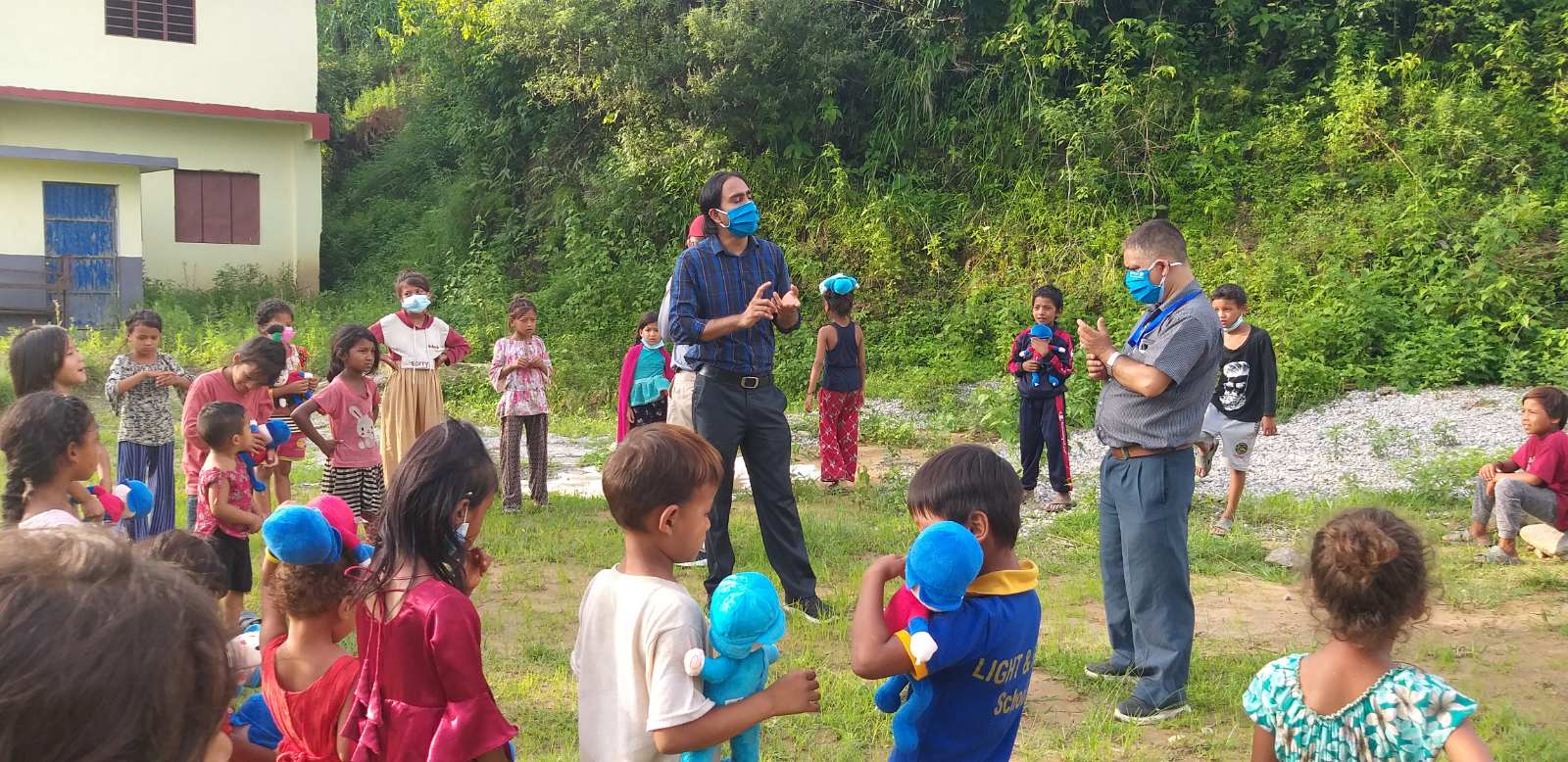
Community engagement materials and communication tools will also be designed by the team members. CPSWs and Nepal Scout champions will be trained to use these materials to promote CAMH-related information in the community with adolescents, children and their caregivers. They will be mobilized to encourage the use of the-OPD platform setup at Karnali to promote help-seeking for CAMH problems. The CPSWs and Nepal Scout champions will assess the CAMH problems of the C&A, and referrals will be made through the Chat bot system. In addition to the above core project activities, this project also prioritizes any child or adolescent a in humanitarian crisis and provided appropriate support to safeguard their mental health and wellbeing. This project emphasizes on improvement of CAMH literacy, identification of mental health problems in children and adolescents and provide support and treatment for CAMH problems locally via tele– video consultation in coordination with local service providers. This also ensures the capacity building of the local human resources, awareness in the community as well as sensitization of the local authorities on issues related to CAMH.