Introducing Ma Chhu Ni: Your Safe Haven for Adolescent Mental Health Concerns

3 years ago


Background: Conversion disorder is a condition in which one has physical symptoms of a health problem but no injury or illness to explain them. Conversion Disorder is the partial or complete loss of the normal integration between memories of the past, awareness of identity, immediate sensations and the control of bodily movements. An outbreak of conversion disorder among members of the same community, having mysterious symptoms often referred to as “mass hysteria or Mass Conversion Disorder.” Recently, there are reported incidents of Mass Conversion Disorder in different districts of Nepal. It is one of the psychological disorders or psychiatric disorders which falls under the stress-related disorder. In conversion disorder, a person shows various bodily symptoms which do not have any physical cause. The symptoms appear in reaction to psychological distress. Mostly children and adolescents are being affected due to this disorder. Through the initiation of CWIN and a team of psychiatrists and clinical psychologists from the CAP Unit, have been intervening in the issues by visiting affected communities. In this context, cases of Mass Conversion Disorder were found in school children from Korfuk school, Suryodaya Nagarpalika, Fikal, Ilam for the past 2-3 months. In this school, students were having different symptoms like becoming unresponsive and unconscious, in mass one after another on the school premises. After the tiresome efforts like a consultation with traditional healers, the performance of different rituals and the construction of a temple within the school, this issue was unresolved. Children were discontinued in that schools and the school teachers were trolled on various social Media.
In this scenario, the school principal and the Mayor of Suryodaya Nagarpalika requested support from CWIN and finally CAP, Kanti. A team from Kanti Children’s Hospital Psychiatry unit coordinating with CWIN-Nepal deployed a group consisting of a clinical psychologist, a psychiatrist, a program manager and media personnel.
Aim of the Visiting: The main aim of the visit was to address the issue and mitigate the psychological impact on the children, school teachers, parents and community members and to make them capable to handle the situation and manage such issues at the community level from their own side and to increase awareness about conversion disorder and also to alleviate the misconception about conversion disorder existing in teachers, students, parents & community members.
Expected Outcome: The expected outcome of visiting was to enhance the understanding of conversion disorder, to reduce stigma and discrimination about illness and also enhance the coping skills of students, teachers, community leaders, parents and health personnel.
Description:
Date of Visit: 9th May 2023; Location: Karfok School, Fikal, Ilam
Date of Visit: 10th May 2023; Location: Meeting Hall, Suryodaya Nagarpalika
Participants
Total Number of Children: 42
Total Number of affected children: 27
Total Number of Teachers/ SMC/: 28
Total Number of Health workers: 18
Total Number of representatives of ward/ Cso’s/ Police/ child club members: 26
Procedure: On 8th May, the team developed a comprehensive plan for the Management of Mass Conversion Disorder along with group intervention for children, teachers, parents and local leaders as per the scheduled activities. The team travelled to Bhadrapur by air on Tuesday 9th May 2023 at 7:40 AM.
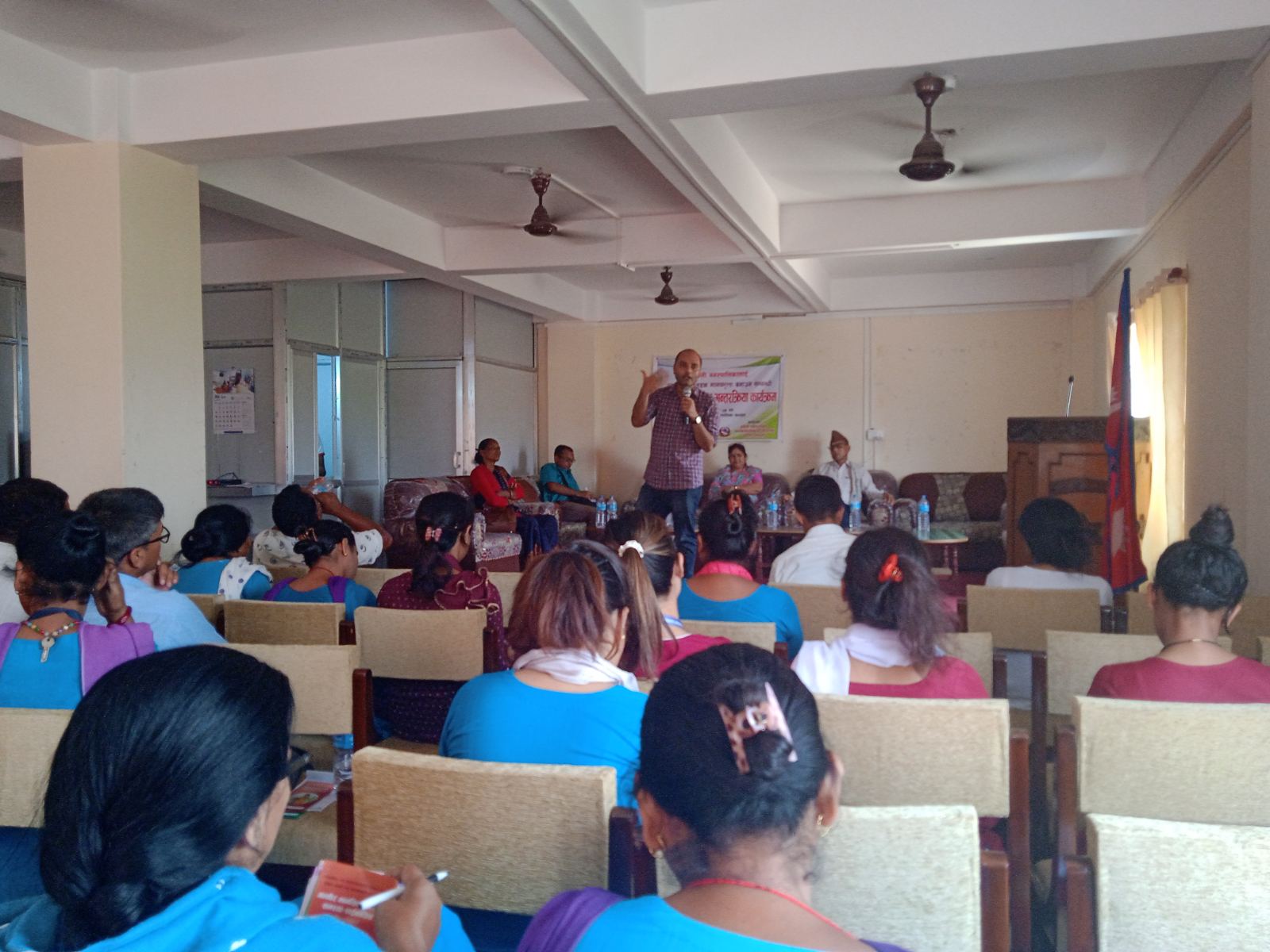
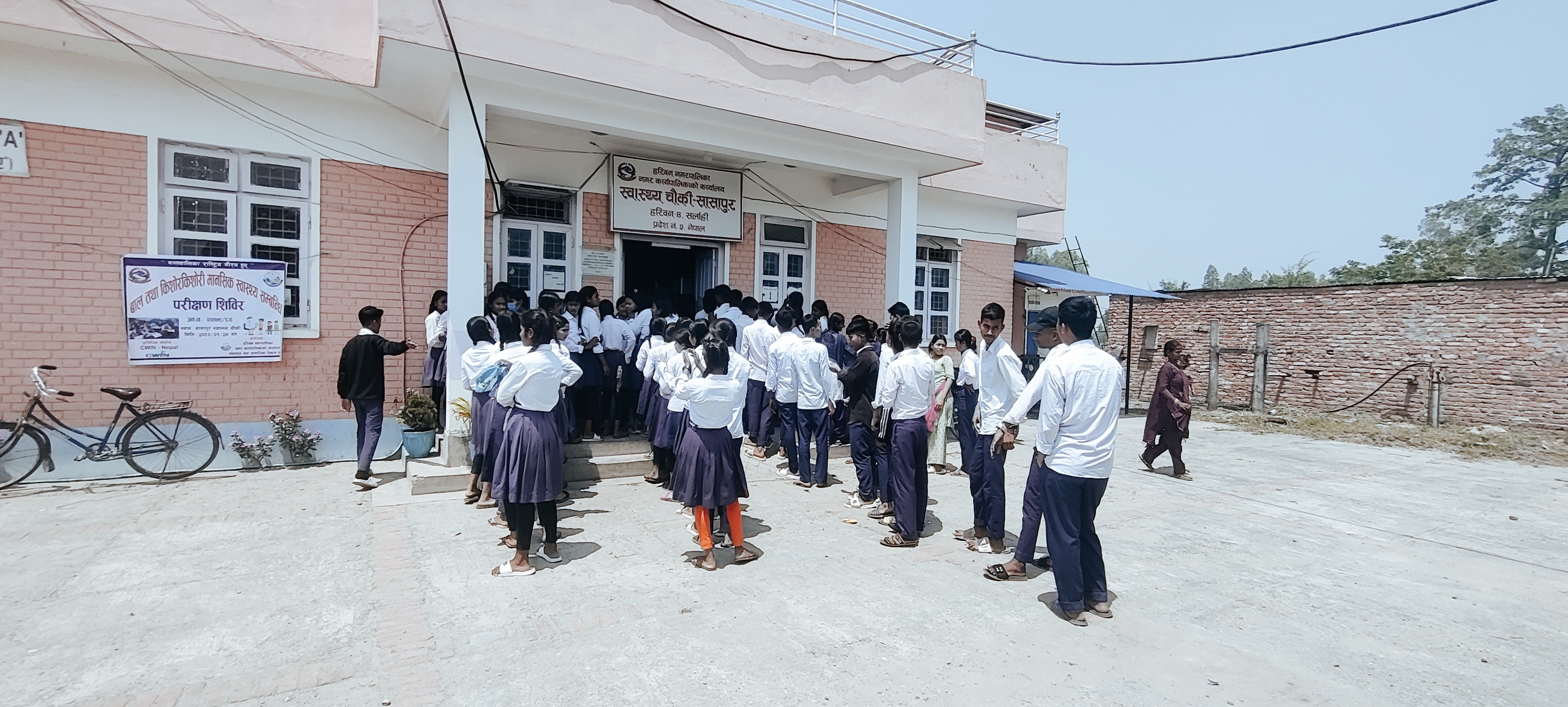
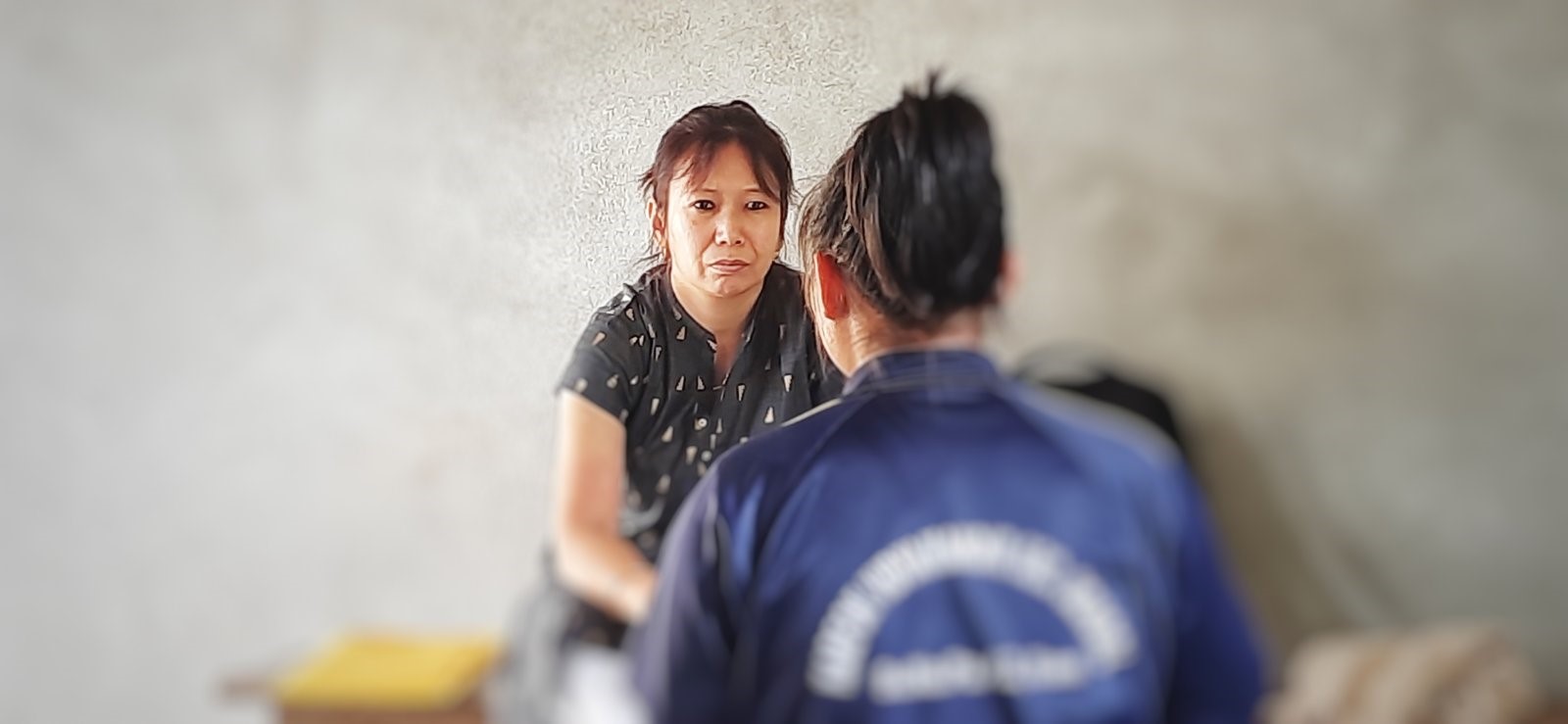
Suryodaya Nagarpalika sent a vehicle to take us to Ilam by road which took around 2 hours. We reached Ilam around 11 am. At around 1 pm we went to Karfok school, where we had individual sessions with 12 students who had conversion symptoms. On the same day, our clinical psychologist Ms Hashana Shrestha conducted a group session with the students. Dr Jasmine Ma conducted sessions with the teachers regarding conversion disorder, how the teachers perceive the symptoms and how they have been managing it, addressing their queries, psychoeducation on Mass Conversion Disorder, stressed the effect of secondary gain on affected children and management strategies at home and school. On the second day, we conducted a child and adolescent mental health (CAMH) orientation program for the Suryodaya municipality healthcare workers in the Municipality building from 8 am to 11 am. From 12 pm, we conducted a CAMH session with the key stakeholders, local leaders and representatives of the Municipality. We also psycho-educated them about Mass Conversion Disorder and the role of community members and its management at the community level. On the second day, Dr. Jasmine Ma also conducted an individual session with one of the affected students of Karfok school. Finally, at the end of the session, the team informs them about the referral mechanism, hotline, CWIN helpline services and chatbot. The session was to ensure whether they understood well or not. Ms Pooja Shrestha and Ms Pramila Manandhar explained about the work done by CWIN Nepal and its contribution to the field of child rights and child mental health. Sessions were ended by providing CWIN’s hotline and helpline numbers to all participants and disseminating the IEC materials to help them to connect with professionals instantly for queries and immediate support.
On the third day, the team travelled back to Kathmandu.
Strength of the Program:
The following were the strength of visiting by professionals:
Challenges: