Introducing Ma Chhu Ni: Your Safe Haven for Adolescent Mental Health Concerns

2 years ago


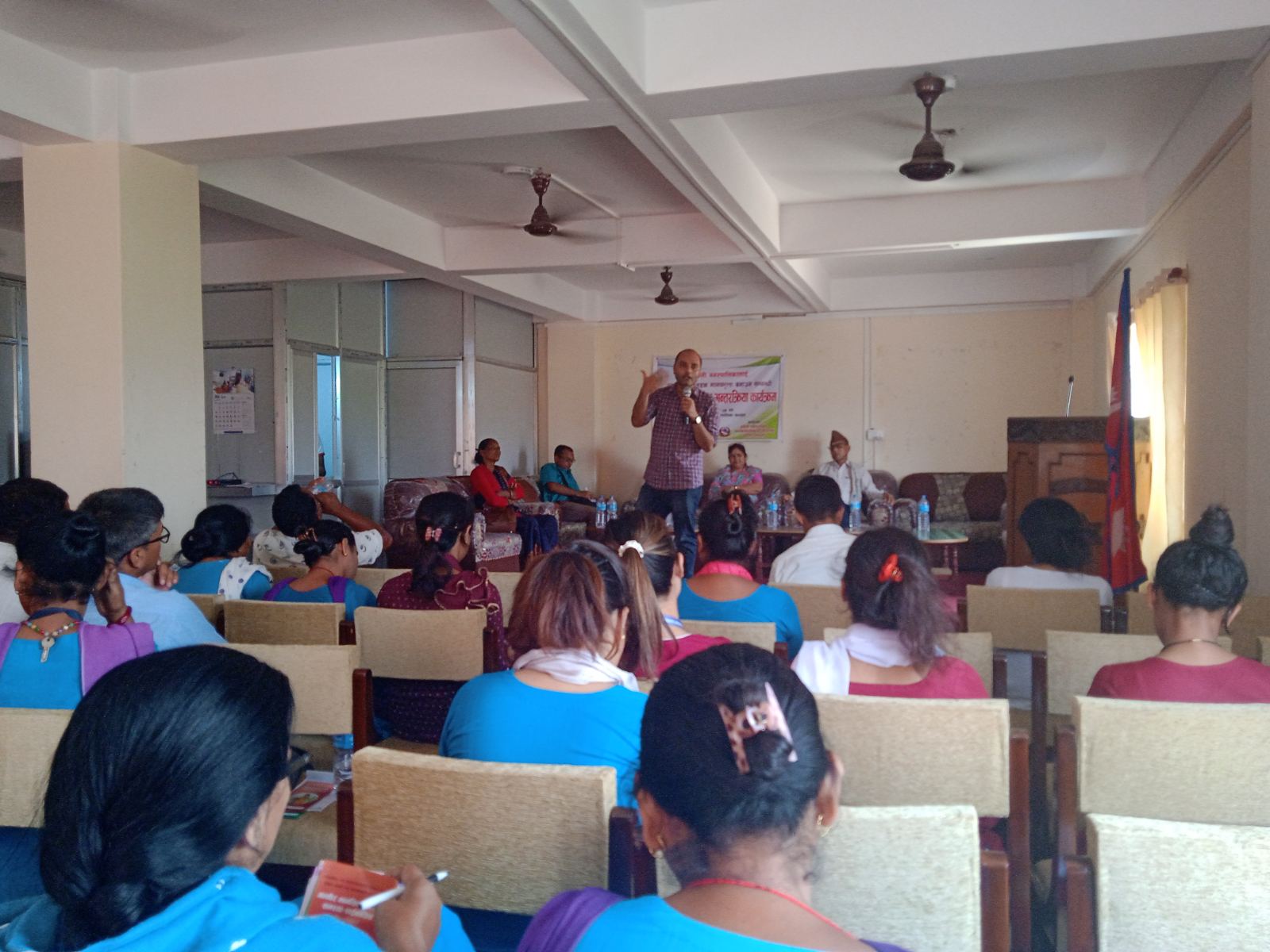
In a recent CAMH (Child and Adolescent Mental Health) orientation program held in Sindhuli district, Nepal, stakeholders and representatives gathered to tackle the pressing issue of mental health among street-dwelling children and adults. The program aimed to raise awareness, foster empathy, and equip law enforcement agencies, local representatives, and community leaders with the necessary knowledge and skills to support this vulnerable population. This blog provides a summary of the three-day orientation program, highlighting the key discussions and outcomes.
**Day 1: Planning and Preparation**
During the initial day, participants convened at the District Coordination Committee (DCC) in Sindhuli district. The program's relevance and execution were thoroughly discussed, along with identifying the key stakeholders. After fruitful deliberations, it was decided to commence the program the following day, focusing on creating awareness and initiating proactive measures.
**Day 2: Orientation Program for Police and Palika People's Representatives**
The second day commenced with an early morning session held at the meeting hall of DCC in Kamala Mai municipality. The program began by presenting factual data, underscoring the urgent need to address child and adolescent mental health concerns among street-dwelling individuals. The morning session primarily targeted law enforcement agencies, particularly the Janpath Police and Armed Police Force (APF).
Participants gained insights into the mental health challenges faced by street-dwelling children and adolescents. The session highlighted the prevalence of mental health disorders in this population and emphasized the long-term consequences if left unaddressed. Specific difficulties faced by street-dwellers, such as exposure to violence, substance abuse, and limited access to education and healthcare, were discussed.
The session also focused on effective communication strategies and de-escalation techniques for encounters with individuals exhibiting mental health issues. Collaboration with mental health professionals, social workers, and NGOs was encouraged to ensure comprehensive care for this vulnerable population.
The afternoon session catered to the Palika People's Representatives, aiming to enhance their understanding of child and adolescent mental health. The session explored factors contributing to the rise in street-dwelling populations, including poverty, migration, and social exclusion. Successful interventions from around the world were presented, urging participants to engage in advocacy efforts and policy development.
**Day 3: Visit to Dudhauli Municipality**
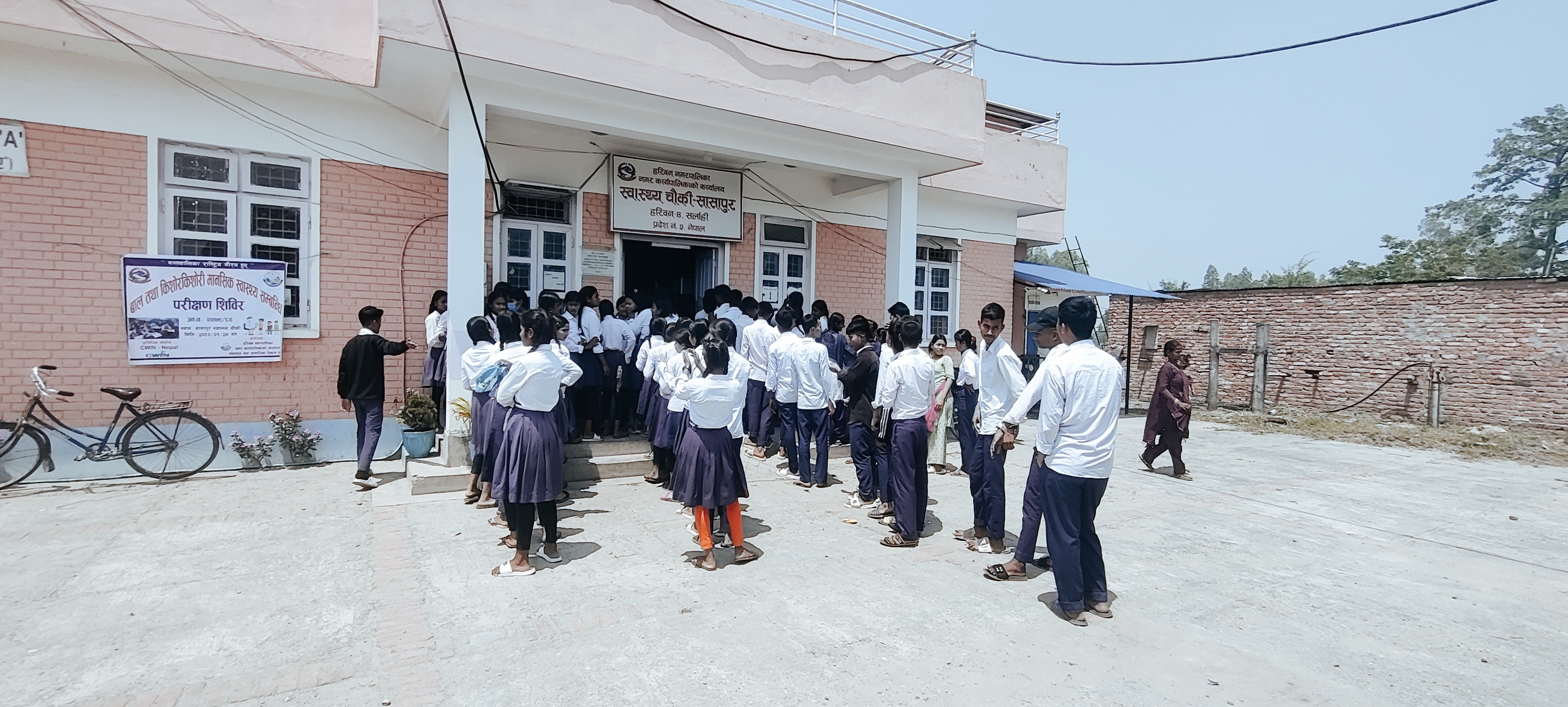
On the third day, the program extended its reach to Dudhauli municipality, known for its high prevalence of suicide, child sexual abuse (CSA), and conversion disorder. Various stakeholders, including school counselors, psycho-social workers, school nurses, principals, and representatives from adolescents and political parties, were present. They were oriented on various CAMH-related problems, with a special emphasis on suicide prevention, the role of teachers and parents in addressing conversion disorder, and the prevention of CSA.
The program successfully raised awareness among stakeholders about child and adolescent mental health and its correlation with individuals living on the streets. By equipping participants with knowledge and strategies, the program aimed to facilitate proactive measures, support systems, and policy initiatives to address the mental health needs of street-dwelling children and adults.
The CAMH orientation program in Sindhuli district concluded after three days of insightful discussions and engagement. By creating awareness, fostering empathy, and equipping stakeholders with necessary skills, the program aimed to pave the way for proactive measures, support systems, and policy initiatives to address the mental health challenges faced by street-dwelling children and adults. With the collective efforts of participants, another significant step was taken towards improving the well-being of this marginalized population.